
Why I Chose Direct Primary Care
A Doctor's Promise to Put Patients First
Shannon Connolly MD
11/15/20253 min read

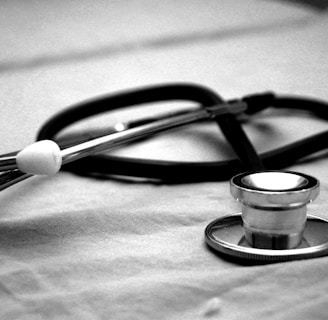
A Doctor's Promise to Put Patients First
I became a doctor to take care of people — not paperwork.
When I wrote my medical school application essay, I described the kind of doctor I wanted to be: one who listened deeply, who showed up for people in their hardest moments, who celebrated their life milestones, who knew their stories, their families, and their fears. A doctor who had the time to sit, to explain, to reassure, to truly care.
But the reality of modern medicine in America is that the system is not designed to create lasting relationships between doctors and their patients. It's transactional, rushed, and focused on margins.
The System Isn’t Built for Patients — or Doctors
Today, the average primary care doctor spends two hours charting for every one hour of patient care. In many clinics, doctors carry 2,500 or more patients and see 25–30 people a day, which means each patient gets 12 minutes of time. Twelve minutes to cover chronic conditions, preventive care, new symptoms, medications, mental health concerns — and still make a human connection? It’s impossible. It’s inhumane.
I never imagined that being a family doctor would mean spending most of my day completing endless documentation to get prior authorizations so insurance would pay for things that I knew my patients needed. Somewhere along the way, choosing the right billing code became more important than choosing the right words to comfort a worried patient. Working in insurance-driven healthcare, sometimes it felt like I was compromising my values in order to succeed in the system. My client wasn’t the patient sitting in front of me — it was their health plan, and this felt like a conflict of interest to me.
For patients, it’s even worse. They're told, "Your insurance won’t cover that.” "That medication requires prior authorization.” “You can’t see that specialist.”
Insurance companies decide what care people can receive, and when, how, and whether they will pay for it. They hide costs behind layers of complexity — because they don’t want people to see how much profit is baked into the system.
There Is a Better Way: Direct Primary Care
Direct Primary Care (DPC) is simple, human, and refreshingly logical.
Instead of billing insurance, patients contract directly with their doctor in the form of a flat monthly membership usually around the cost of a cell phone bill or movie streaming services. In return, they get:
Unlimited visits
Same-day or next-day appointments
Texting, calling, emailing your doctor anytime
Longer visits — even an hour if you need it
Many labs are included
Transparent pricing
A doctor who actually knows you
People often assume DPC is only for the wealthy. In reality, it exists because the traditional insurance model is priced outside of reach for everyday people. In DPC, a patient could receive all their routine primary care — unlimited visits, labs, direct access — for around $150 a month.
DPC Gives Patients the Care They Deserve — and Gives Doctors Their Joy Back
Direct Primary Care lets me practice medicine the way it was meant to be practiced. It’s predictable. It’s personal. It is straightforward and easy to understand, and the doctor works directly for the patient. I know my patients. They know me. We build trust. We build relationships. I have time to listen, time to think, and time to care — deeply and thoroughly.
It’s the kind of care every patient deserves and every doctor dreams of giving.
I Walked Away From Insurance-Based Medicine
I left the traditional model not because I stopped loving medicine, but because I love it too much to let a broken system compromise my standard of excellence.
I chose Direct Primary Care because I want to treat my patients like family. I want to be present, not rushed. Part of promoting the wellbeing of my patients is making sure I don't do financial harm to them, and I ensure this through affordable, transparent pricing. I want to be the doctor I promised I would be when I wrote my medical school application essay.
And I want people to know: There is another way to get health care. One rooted in relationship, trust, and humanity. It's Direct Primary Care.
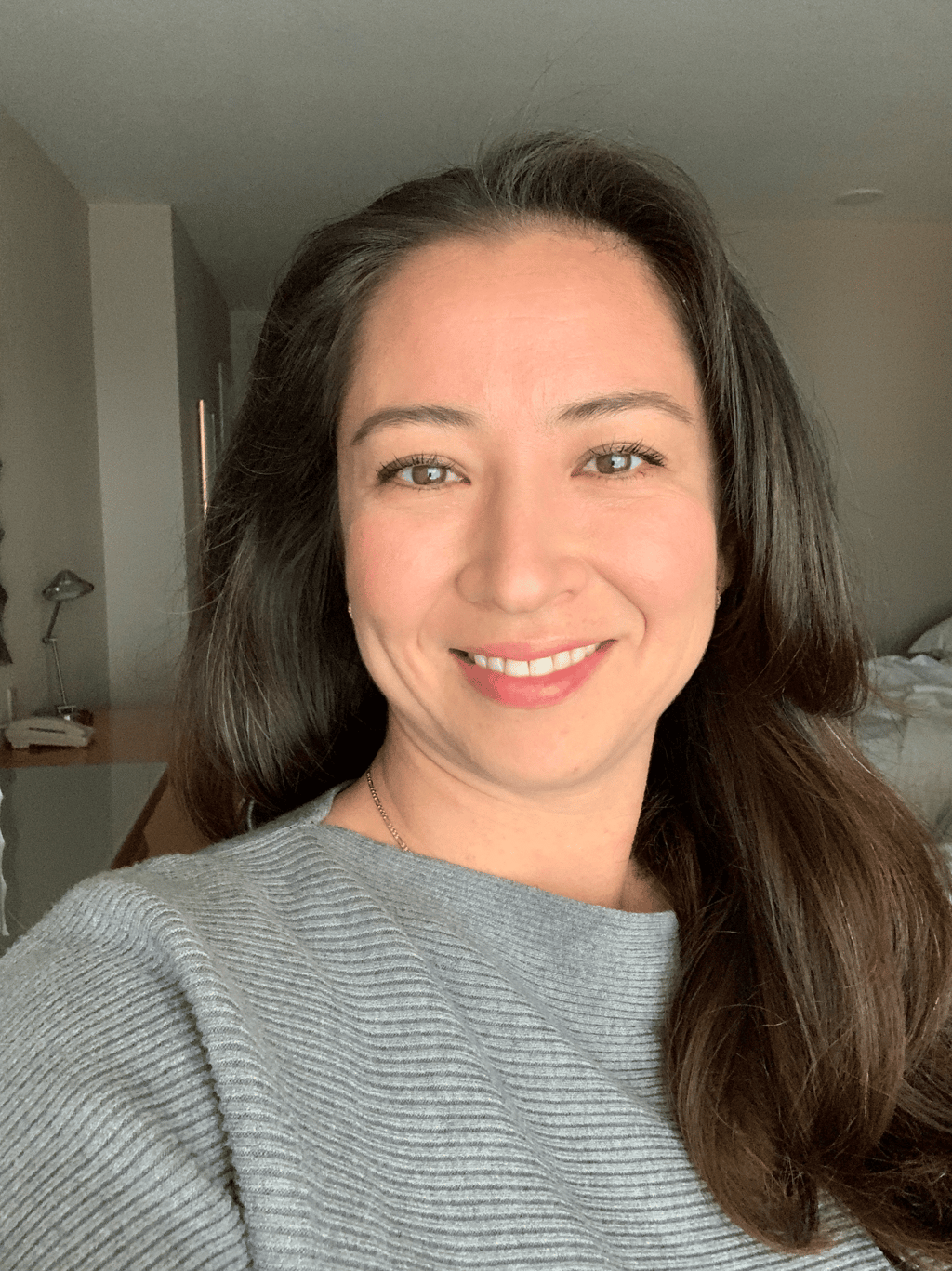
We are based in Orange, California and serve patients throughout Orange County, including Anaheim, Santa Ana, Tustin, Fullerton, Garden Grove, and nearby communities.
Open Arms Primary Care
438 E Katella Ave Suite G
Orange, CA 92867
Tel 714-583-6173 Text us for the fastest response!
Fax (administrative) 714-610-9373
Fax (for medical records) 714-439-5186
info@openarmsprimarycare.com
© 2025. All rights reserved.
NOTICE TO PATIENTS ABOUT THE OPEN PAYMENTS DATABASE: For informational purposes only, a link to the federal Centers for Medicare and Medicaid Services (CMS) Open Payments web page is provided here. The federal Physician Payments Sunshine Act requires that detailed information about payment and other payments of value worth over ten dollars ($10) from manufacturers of drugs, medical devices, and biologics to physicians and teaching hospitals be made available to the public. You may search this federal database for payments made to physicians and teaching hospitals by visiting this website.